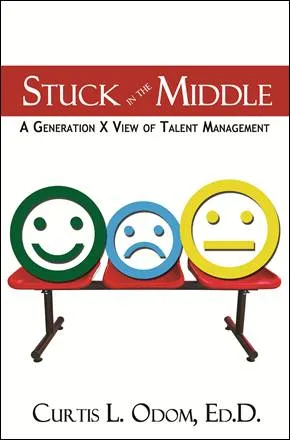
For some time now, we’ve
been hearing about the massive exodus of Baby Boomers from our workforce that
is underway, or depending on your point of view is about to ensue. I keep
hearing about it, but to be honest, given the state of the economy it’s been delayed
for some time. If you’re anything like me, you’re thinking immediately about
what that means for my organization and my career, what do I need to do next to
be ready to take on a broader and more complex role. All of the jobs won’t be filled,
but the work will need to be done. The knowledge that is about to walk out of
the door is going to cost your organization some serious money, unless you and
your organization are prepared to do something about it.
To be fair, we’ve been hearing about this for years now, so it comes as no surprise. But, did you know that around 10,000 Boomers turn 65 every day, and that this trend will continue through 2030? Think about what this means for your workforce. Now that the stock market is returning to pre-2008 levels, you can expect a mass exodus shortly.
According to the Bureau of Labor Statistics, by 2020 approximately 25.2% of the labor force will be aged 55 and older. If you’re a Gen X’er or a Millennial, this means that there will be plenty of opportunities for you to progress in your career. From an organizational perspective, this means that you need to start focusing on how to retain knowledge and engage the next generation of leaders. And you needed to start doing this yesterday. This is no easy task.
According to PWC’s Employee Engagement Report of 2011 only 31% of employees are fully engaged with their organization, while 17% are fully disengaged. Early indicators for 2012 are showing engagement is back on the rise, but there is still work to be done in this space.
With engagement levels so low, it will be difficult to truly engage your next generation of leaders without some creative thinking. You’ll need to work to get them unstuck and to help them progress in their careers. Career progression and mobility since the recession has been down, and workers have felt the impact of limited career progression and limited raises.
As an individual, opportunity abounds. It’s your chance to step up and take the reins of your career in order to prepare yourself for the upcoming transition. But before you can do that, first you need to take a moment and reflect on where you are and where you want to be.
Ask yourself, 'who am I?' Did you like your answer? Is it consistent with who you want to be and where you want to go? Is what you think aligned to how others would define you? If you’re not sure, it’s time for a temperature check. You need to start checking in with others to make sure that how you want to be perceived is how you are perceived. Other people’s perceptions of you are in fact their reality. Altering their reality is much more complicated than you may think. At the end of the day, it's your brand, and like it or not you’re primarily defined by their reality of you. No doubt, you can influence that reality, but remember it's much easier to damage that reality than it is to improve it.
That hit can last for a long time, it gets stuck on people's minds and it comes out of their mouths. It can spread like wildfire. People are quick to point out your flaws. So, if you're stuck in the middle, it's time to actively manage your brand, influence how others view you and get people thinking about who you are and who you want to be.
It starts with you though. You have to be able to answer who you are and if you don't like your answer – be honest with yourself – you need to get into a space where you do some deep reflection. Figure out who you want to be and start cracking, because at the end of the day, you have to manage your own brand before anyone else wants to invest in you.
It’s time to position you for what’s next. If you are feeling stuck, but are unsure what that means, here are 5 signs that you’re stuck in the middle:
1. You haven’t had a change in scope or role for 3 years straight
2. You’re bored at work and lack the energy and drive needed to make a change
3. You haven’t put yourself in a position where you can be replaced internally or you’re too valuable to promote out of your current role
4. Your performance rating has been a meets expectation or lower for the past 3 years
5. You haven’t taken the time to assess where you are and where you want to be in more than 2 years
If you’ve answered yes to 3 or more of the above, it’s time to take some action and get your career back on track. Opportunity is around the corner, it’s up to you to put in the work to fully prepare yourself for what’s about to come. Here are some things you can do to ready yourself for the next step:
1. Reflect on where you want to go next
2. Build your network and start to have conversations with people who can provide you with more insight into where you want to go
3. Get honest and open feedback from others
4. Assess your strengths and weaknesses
5. Look critically at your skill set and see if it aligns with where you want to go next
6. If there’s a gap, start to identify development opportunities to overcome it
7. Reverse engineer your ‘path’ by starting with where you want to land and work backwards
Being stuck in the middle isn’t a life sentence. You have the ability to get yourself unstuck. Sometimes it takes a dramatic move, potentially even leaving the organization you currently work with. Other times, it’s much more subtle. You can make small changes to help you get re-energized. At the end of the day, it’s really up to you to take ownership over your career. The economy is turning, boomers are leaving and the opportunity is now. Prepare now, because luck is when preparation meets opportunity and that opportunity is quickly approaching.