During the summer of 1981, with the smell of chocolate in
the air, I became the assistant manager in the games division of Hersheypark in
Pennsylvania. My specialty within the chocolate themed amusement park was
running the water balloon race. You know the game–squirt water into a plastic
clown’s mouth to blow up a balloon. The first one to pop their balloon won a
bright yellow plush stuffed banana. I wanted to trade all that in for a
management position.
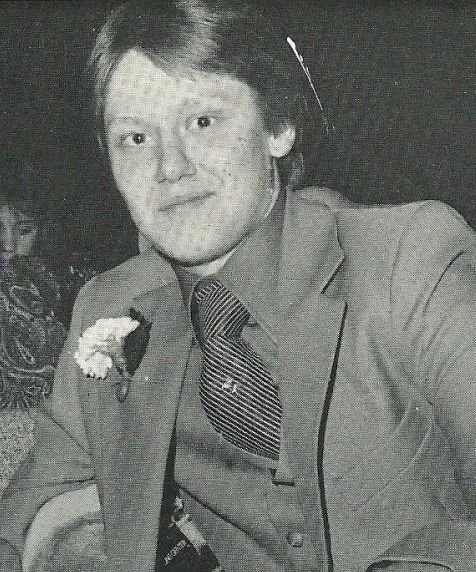
Looking back on it now is quite amusing. I was an
18-year-old kid attempting to manage other 18-year olds. Picture Doogie
Howser trying to act managerial and you get
the picture.
Fast-forward 18 years later. I would find myself leading the
Dot Com boom as the co-founder of the very first Internet Agency to go public
with an IPO on NASDAQ–K2 Design, Inc.
Now please understand, I am not telling you this to brag, I
am telling you this to impress upon you how much I HAD to change over those 2
decades. I was raised in a very small town and taught to just get a job, work
long hours and hopefully work your way up the ladder. But during those Silicon
Alley days on Wall St., in order to meet the demands of a new tech-savvy
workforce, I had to adapt. If I resisted, my best and brightest would quit,
taking their ideas to our competition.
Fast-forward another 18 years. Today’s younger workforce is
not motivated by money, power or the corner office, but instead, motivated by
rich experiences and incredibly dynamic work environments that continuously
challenge their abilities. And I just want to clarify, when I say younger
workforce I mean 37 years of age and younger– a.k.a. Generation Y, Millennials,
Gamers and/or Digital Natives. But that doesn’t mean I am excluding my fellow
Baby Boomers. This benefits all of us as I am about to point out. So first,
let’s ask ourselves a question: Are you a Beekeeper or a Watchmaker?
A watchmaker works in an environment of precision.
In order
to create a beautiful timepiece every single day, each phase of the watchmakers
operation must be micromanaged. One micron off could lead to disastrous
results. Innovation only comes from the top of such a company. Ideas and
thoughts from the assembly line get in the way of output. Head down. Do your
job. Meet your quota. Listen and obey. Sound familiar?
But, conversely, the beekeeper operates in a world of constant chaos and
shifting conditions.
His or her job consists of overseeing 150,000 bees, living
and working out of over 4-dozen, 3-foot-high “wooden hives.” Instead of
micromanaging like our previously mentioned watchmaker, the beekeeper must
foster a nurturing environment that supports the production of honey.
Micromanaging would get in the way of the hive. So a beekeepers job is to give
the bees the best environment possible for seamless production. In other words,
get out of the way and let them manage themselves.
To the untrained eye, the hive can look like nothing but
chaos. What is really going on is each bee acts as an independent agent whose
soul mission is in alignment with the hives overall mission: produce honey. The
beekeeper CANNOT guarantee an exact outcome, but he trusts that each will do
what they do best.
This management model when applied to the real world, relies
on a simple premise: people are free to do whatever they want, whenever they
want, as long as the work gets done. In
today’s parlance this “beekeeper” style of management is called a Results Only
Work Environment or ROWE for short.
You cannot create incredible products in an environment that
micromanages creativity and punishes innovation. Your job as a leader in the
21st Century is not to be a commander shouting orders from on high but be the
beekeeper who strives to bring out the very best in people.
Thank you for reading,
Brad Szollose
Are You a Beekeeper or a Watchmaker?
About This Contributor
Brad Szollose